
Judges and court commissioners from across Wisconsin met April 15–17 at the La Crosse Center for the annual Child Welfare Law Orientation. The training focused on key hearings and case management practices in child welfare cases.
The program, coordinated by the Children’s Court Improvement Program (CCIP), brought together approximately 60 judicial officers, along with judicial faculty and CCIP staff, for three days of instruction and discussion centered on CHIPS, guardianship, and termination of parental rights cases.
Monroe County Circuit Court Judge Todd Ziegler opened the orientation with welcome remarks and an overview of the program, followed by remarks from Director of State Courts Audrey Skwierawski. She emphasized the role of the courts in managing child welfare cases and the impact of those proceedings on children and families.
“On any given day, these cases involve decisions about a child’s safety, where that child will live, and what the future will look like for that family,” Director Skwierawski said. “They move quickly, often under statutory timelines that leave little room for delay.”
Director Skwierawski also highlighted the importance of judicial leadership in these cases, noting that how hearings are conducted and how timelines are managed can affect whether cases remain on track and progress toward permanency.
The orientation covered the full progression of child welfare cases, including temporary physical custody hearings, fact-finding, disposition, and permanency. Sessions also addressed the Wisconsin Indian Child Welfare Act, confidentiality of juvenile records, and the interaction between child welfare cases and other court proceedings.
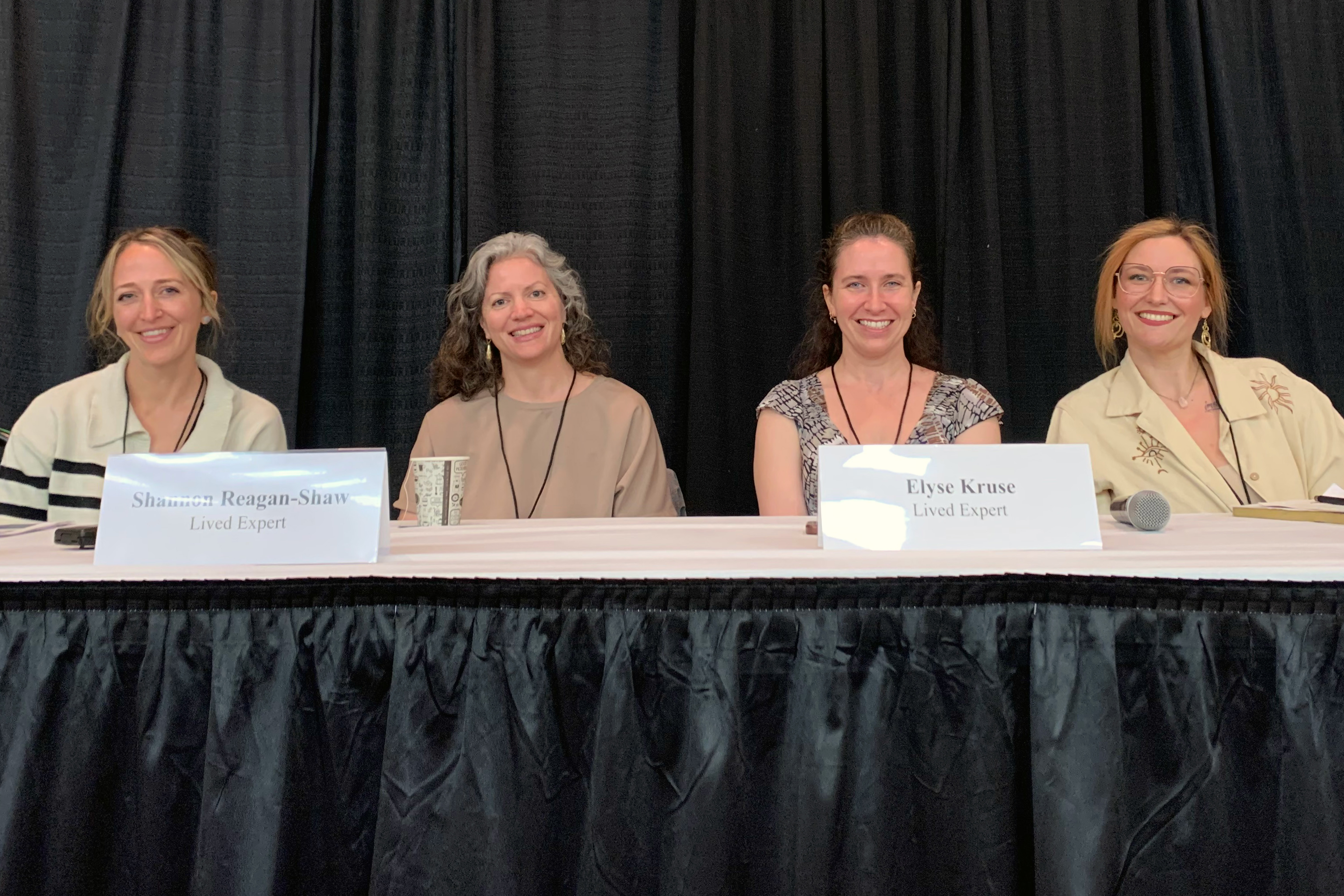
In addition to faculty-led sessions, attendees heard from parents and caregivers about their experiences in the child welfare system. The panel provided perspective on how court proceedings and decisions are experienced outside the courtroom.
Feedback from participants reflected the impact of those discussions. Attendees described the sessions as a reminder of the importance of each hearing and the role judicial language plays in shaping how parties experience the process. Others noted the value of examining cases from different perspectives and hearing direct, candid feedback from parents who have been involved in the system.
Throughout the orientation, presenters focused on practical approaches to managing hearings, maintaining clear records, and issuing orders that support timely case progress. Discussions also addressed common challenges, including coordinating across agencies and managing cases within statutory timelines.
The Child Welfare Law Orientation is held annually and is designed to support judicial officers in handling child welfare cases consistently and effectively across the state.