

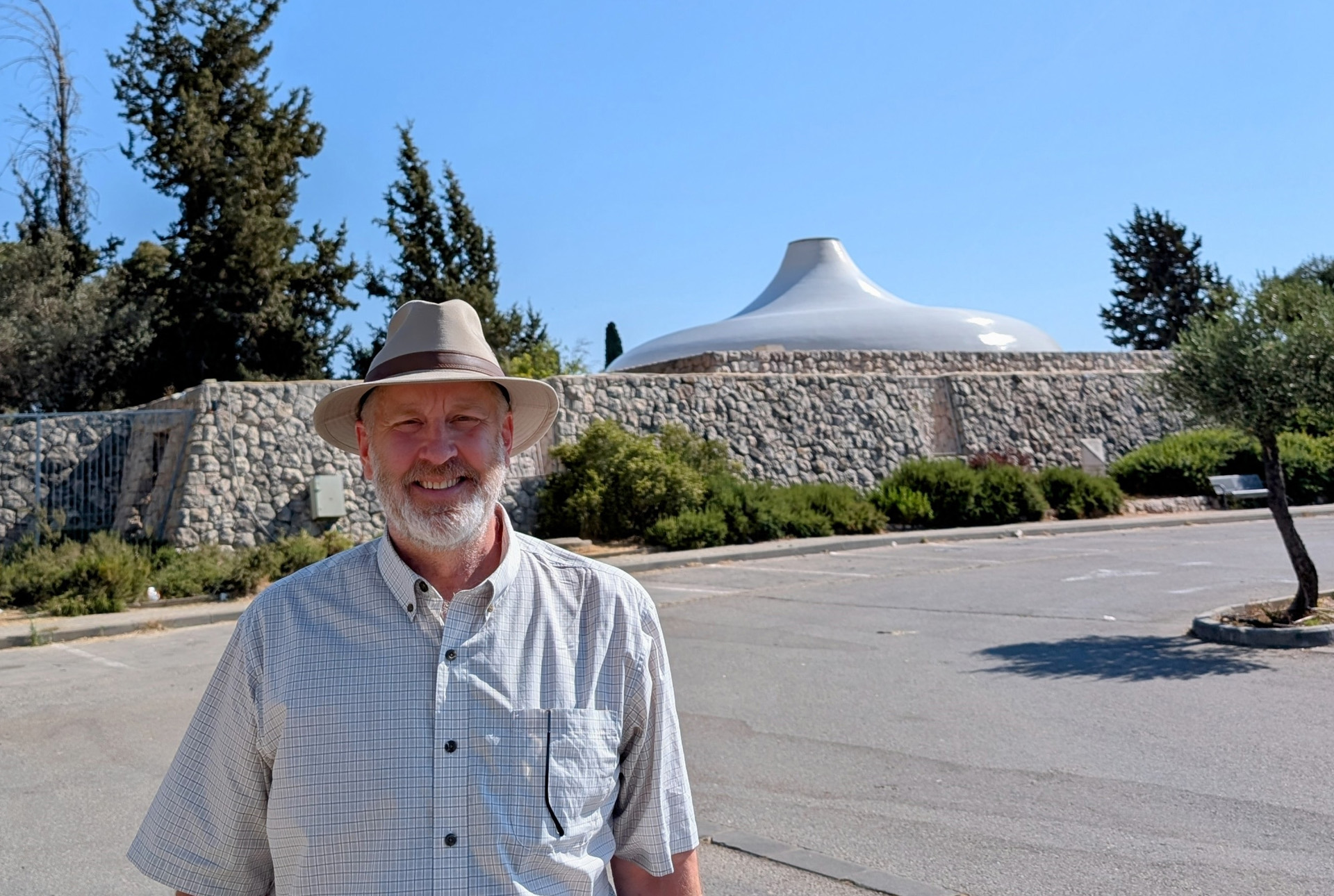
Ozaukee County Circuit Court Judge Adam Gerol expected his recent trip to Israel to be a meaningful experience, a chance to support his daughter and explore a country rich in history. Instead, he found himself navigating an active conflict, late-night missile alerts, and an eventual escape through Jordan, all while gaining a new perspective on resilience, preparedness, and the bonds formed during crisis.
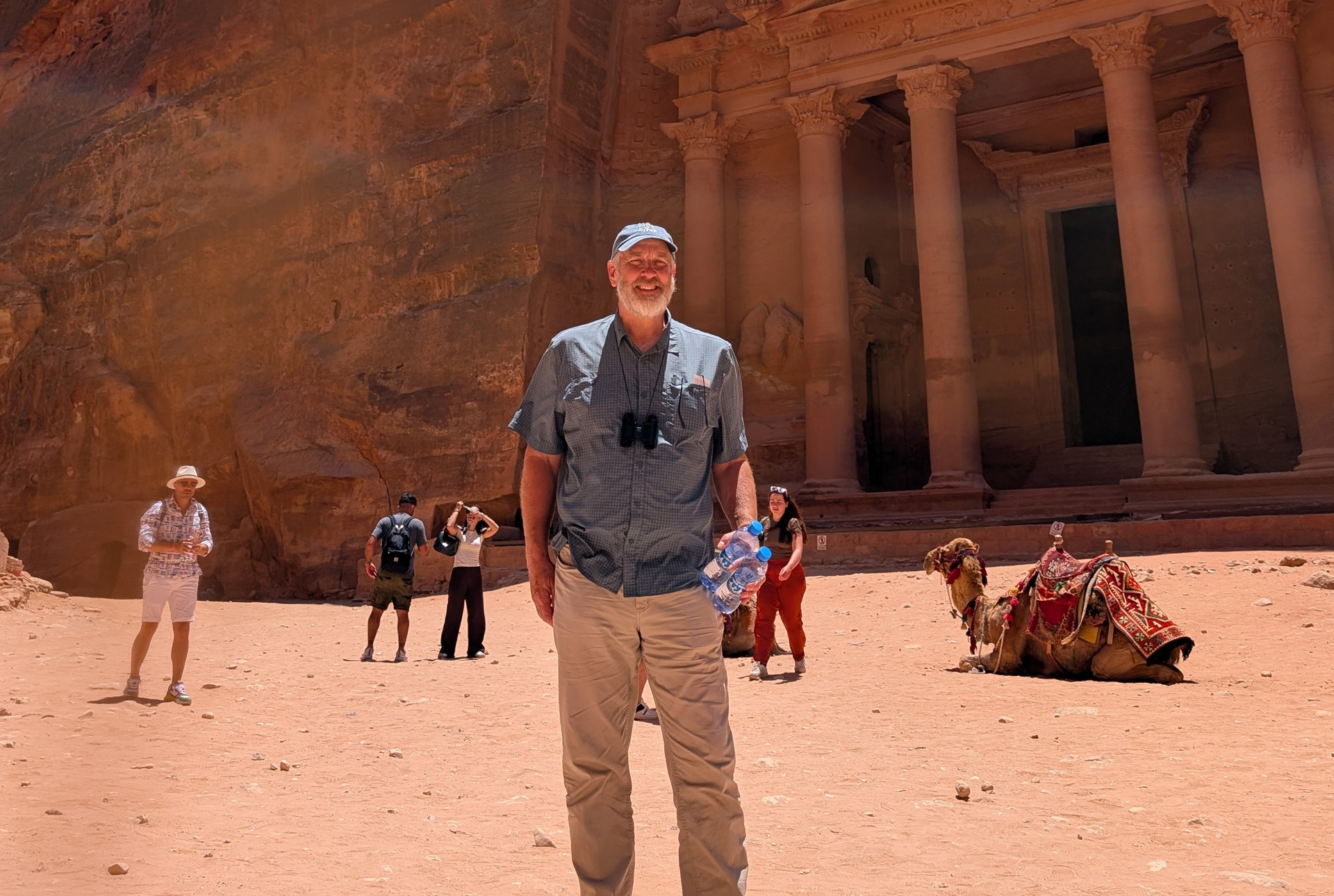
Judge Gerol traveled to Israel in June to visit his daughter, Kayla, who had recently completed a short-term volunteer project and was preparing to begin the Masa Israel Teaching Fellowship (MITF). This program places English-speaking educators in underserved schools across the country. The visit had been planned just weeks earlier and offered a chance to support Kayla and explore a country Judge Gerol had long wanted to visit.
“I left Wisconsin knowing the Houthis were regularly launching rockets from Yemen,” Judge Gerol said, “but these had to travel a long way and seemed to be regularly intercepted.” Still, within the first few days of his arrival, he and Kayla were on the beach in Tel Aviv when an early warning siren sounded
Shortly after, Israeli forces launched a military strike against targets in Iran. Retaliatory missile attacks followed, some reaching as far as Tel Aviv and Jerusalem. A pre-dawn emergency alert sent from the office of the Israeli Prime Minister warned of likely missile attacks and urged residents and visitors to download emergency notification apps. “Kayla and I each had three of them,” Judge Gerol said. “It also stated that there would be no public gatherings and that everything except essential services would be shut down.”

At the time of the announcement, they had just arrived in Jerusalem after visiting Masada and a number of archaeological sites. What followed was a series of tense nights marked by warning sirens, hurried trips to hotel shelters, and intercepted missiles lighting up the night sky.
Their hotel in Jerusalem, like all buildings in Israel, had a designated shelter area: in this case it was the concrete stairwell structure known as the Mamad. Families from northern Israel, many displaced by attacks from Hezbollah, had been living in the hotel for over a year. “There was incredible camaraderie and kinship in those shelters,” he said.
With cultural sites like Yad Vashem, the Israel Museum, and the Shrine of the Book closed to the public, Judge Gerol and his daughter made the most of the days by walking through the city and reflecting on its layers of history. When their hotel stay ended, they returned to Tel Aviv, where they spent time near the Mediterranean.
“We were never frightened,” he said. “It soon became clear that the initial attack on Iran was pretty successful and that the Israeli defense systems were very effective.” Still, a few rockets did get through.
“One hit a hospital. Another hit houses in Bat Yam and Rishon Litzion, but we felt safe.”
As commercial flights remained grounded and uncertainty grew, Judge Gerol began considering an alternate route home. “Even if the airport were to suddenly reopen, it might take weeks to get a flight out,” he said. An advisory from the U.S. State Department encouraged Americans to leave, even by less conventional routes.
Through a local travel operator, Judge Gerol and his daughter crossed into Jordan via the Allenby Bridge near Jericho. The State Department had advised travelers to avoid displaying or carrying religious items at the border, so he left his with a friend in Tel Aviv.
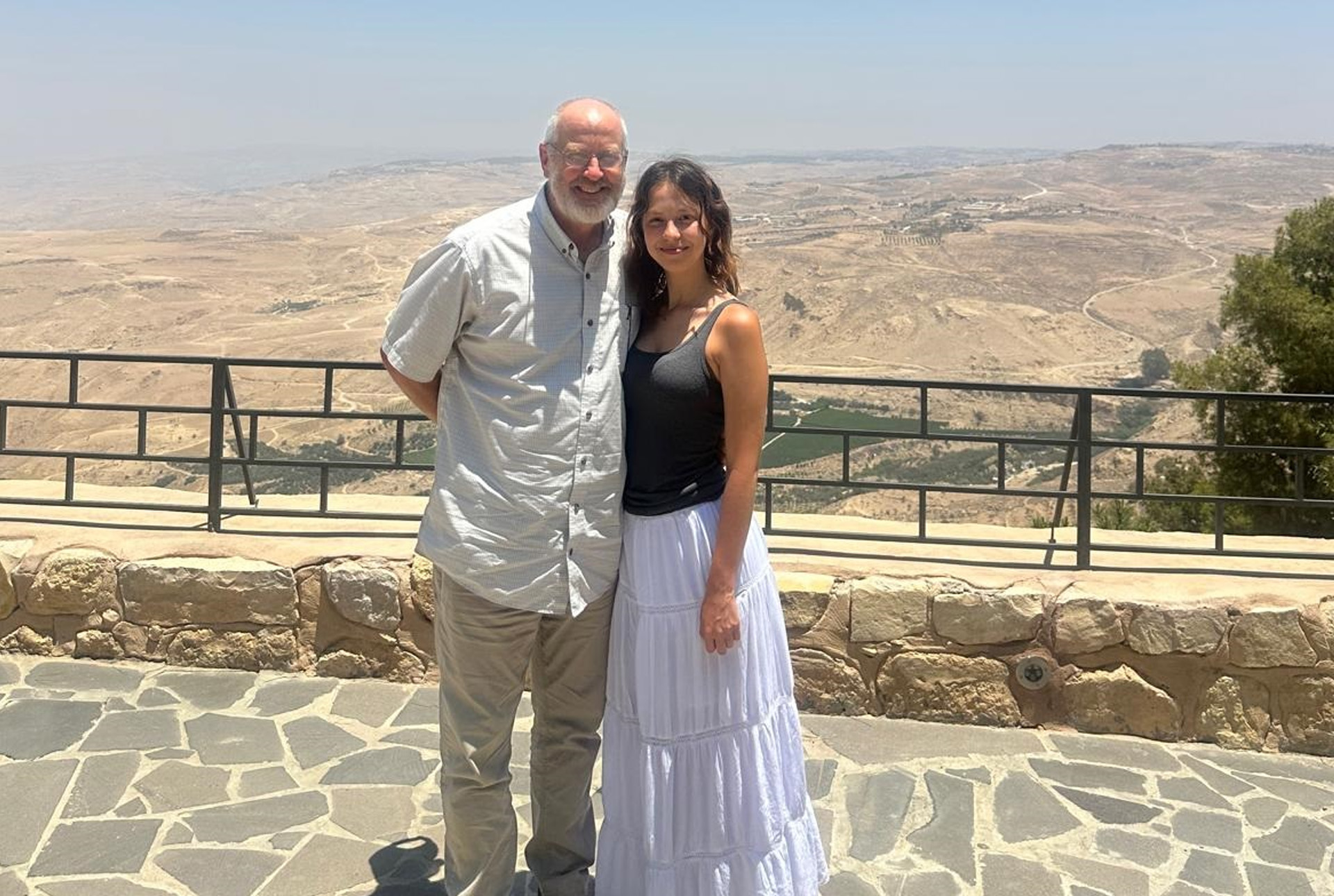
Once in Jordan, they found both safety and a deeper sense of reflection. “I was very happy with the people helping us get to Jordan and would recommend them to anyone considering a trip there,” he said. “The country is rich with history, and the recent hostilities have pretty much destroyed its tourism business.”
While waiting for their return flight, they took time to visit historic and religious sites, including Mount Nebo, where tradition holds that Moses viewed the Promised Land before his death.
“You approach a location like that with some skepticism about whether it is the real place, but knowing at the same time it might be,” Judge Gerol said of Mount Nebo. “There’s a vista looking west, which would be the land of Canaan. I’ll never forget that.”
The trip also included stops at Madaba and Petra, where they found iconic landmarks nearly empty due to the regional instability.
After nearly three weeks abroad, the pair finally made it back to Wisconsin. Judge Gerol came home with gratitude for those who had helped cover his caseload during his absence. “I was happy to get back to my life and stop being an imposition on the other judges who were doing my job,” he said. “Judge Williams, in particular, was doing the work of two!”
The return to normalcy felt significant, a shift from tension and uncertainty back to routine. It reminded him of the sense of collective relief many experienced when pandemic restrictions were finally lifted and everyday life resumed.
Reflecting on the experience, Judge Gerol said he was struck by Israel’s preparedness and the strength of its people. “Most Americans don’t realize how small the country is — you can cross it in less than an hour. And yet, there is a level of preparedness and unity that was remarkable to witness.”
The experience, though unexpected and at times unsettling, left him with deep respect for the people he encountered and the resilience they demonstrated.
Third Branch eNews is an online monthly newsletter of the Director of State Courts Office. If you are interested in contributing an article about your department’s programs or accomplishments, contact your department head. Information about judicial retirements and judicial obituaries may be submitted to: Sara.Foster@wicourts.gov