

Members of Wisconsin’s court system were front and center during the State Bar of Wisconsin’s Annual Meeting and Conference held at Monona Terrace in Madison, where judicial leadership was recognized and pressing court system needs were brought into sharper focus.
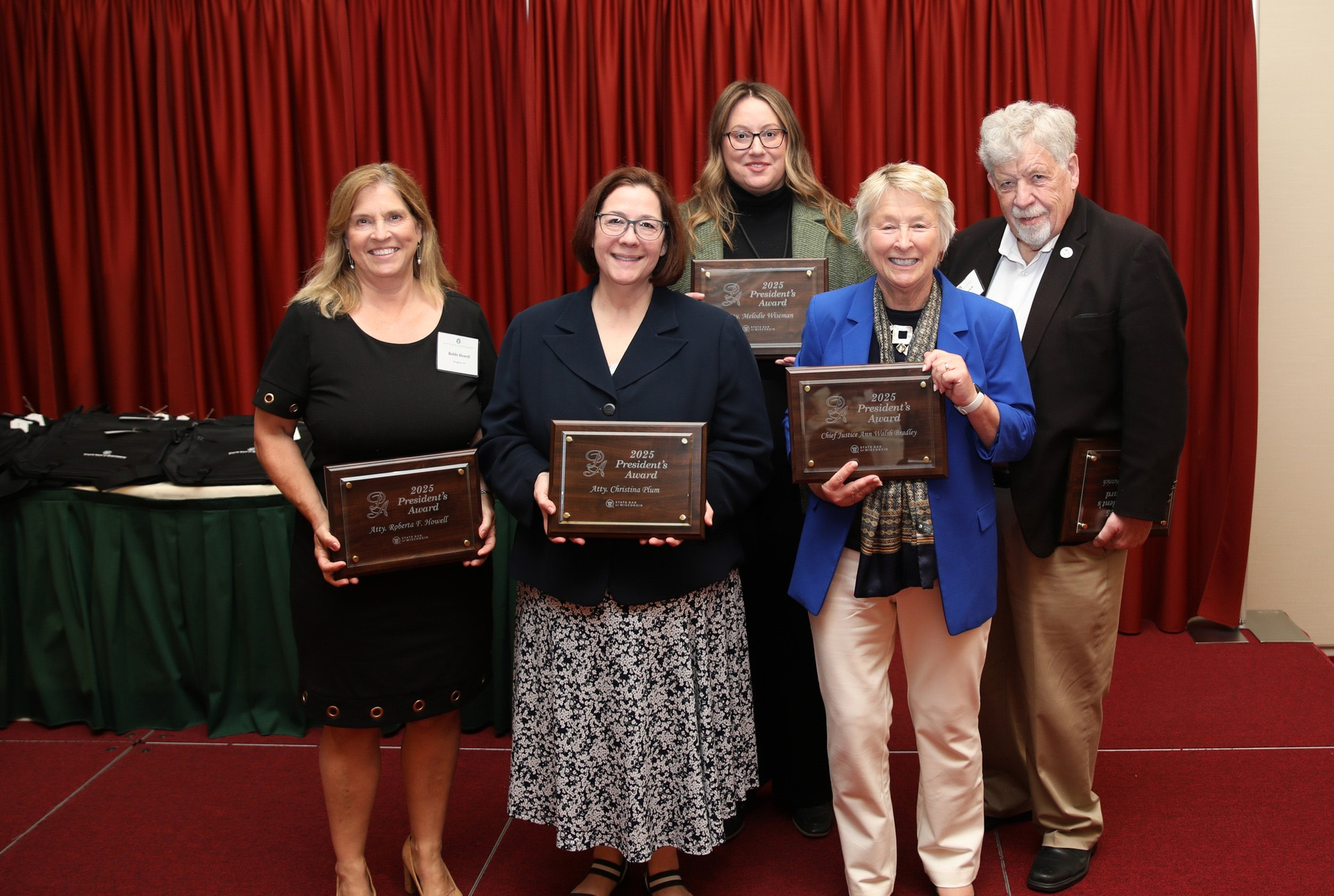
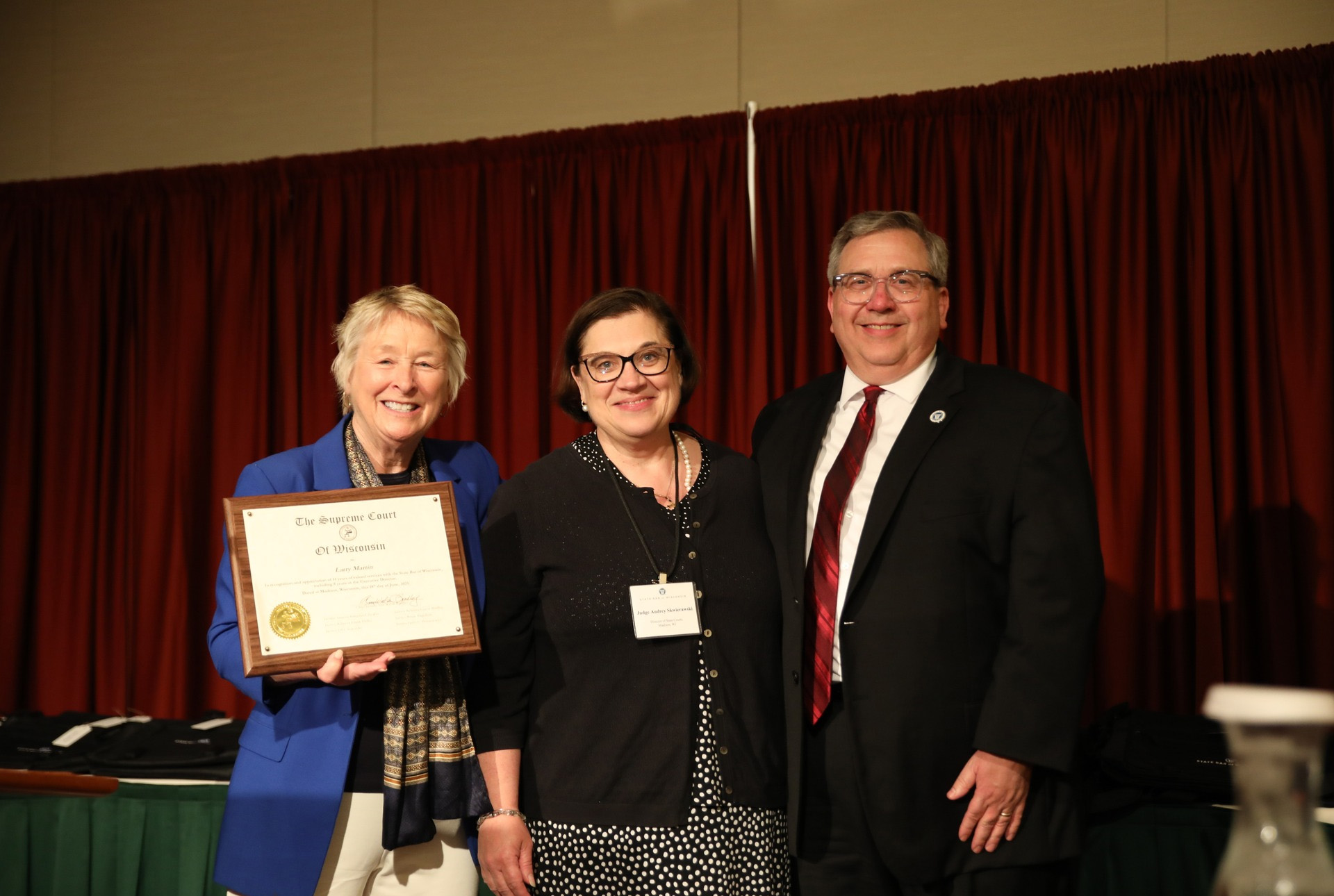
Chief Justice Ann Walsh Bradley received the State Bar of Wisconsin’s 2025 President’s Award in recognition of her long and distinguished service to the Wisconsin Supreme Court, the legal profession, and the cause of justice in the state. As she prepares to conclude her tenure on the bench, State Bar of Wisconsin officials said the award highlights a career defined by independence, integrity, and a deep commitment to public service.
Court of Appeals Chief Staff Attorney Christina Plum, who serves as the State of Wisconsin Delegate to the American Bar Association, was also honored with a President’s Award. In presenting her with the award, State Bar officials noted her work has helped ensure that Wisconsin’s legal voice remains part of national conversations on key issues affecting the profession.
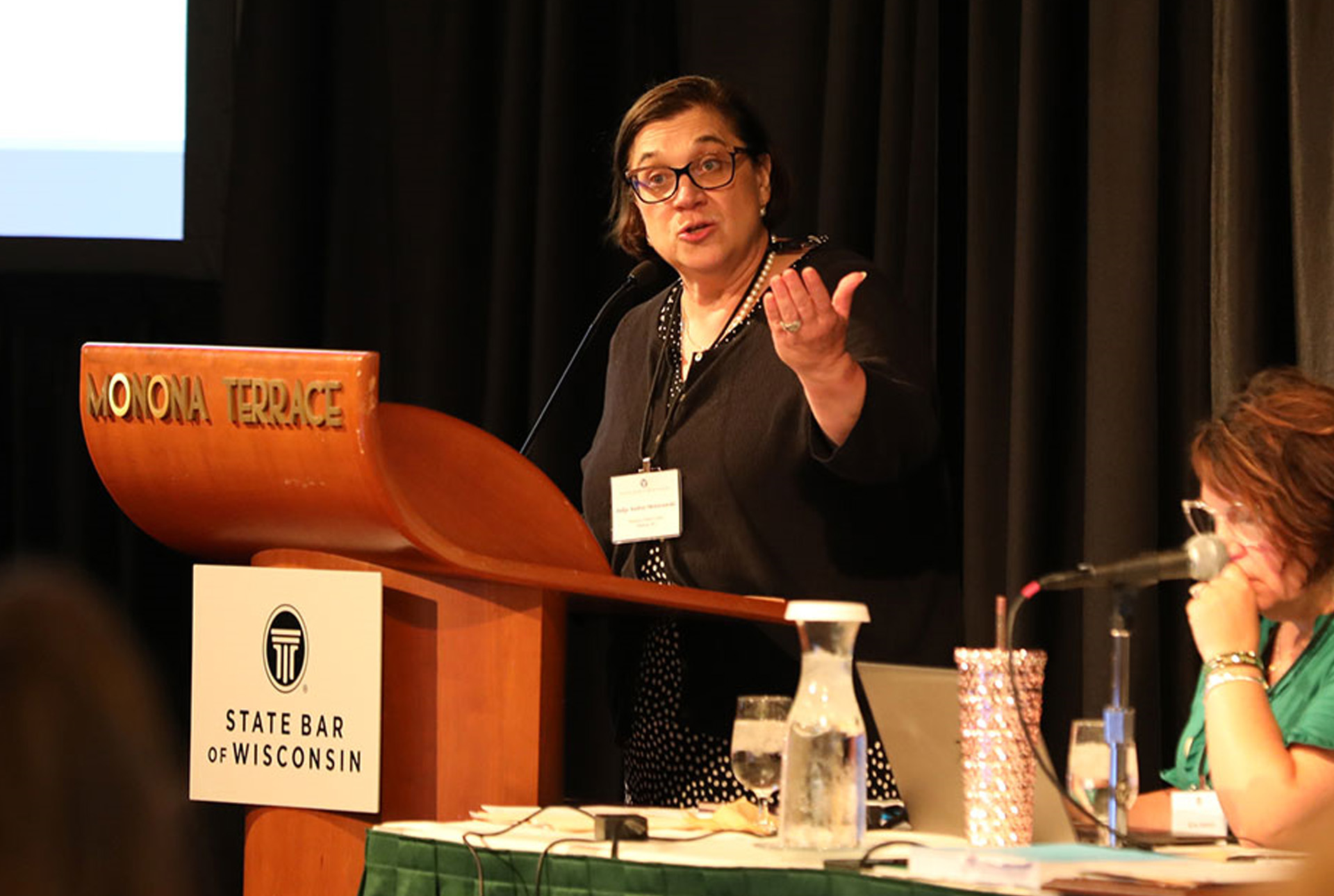
The awards were presented as part of a broader program that also included remarks from Director of State Courts Audrey Skwierawski. Speaking before the State Bar’s Board of Governors, Skwierawski detailed several challenges facing the court system and outlined steps being taken to address them.
Cybersecurity remains a top concern. The courts manage vast stores of sensitive information, including personally identifiable data, and remain vigilant against cyber threats. Skwierawski announced the formation of a new artificial intelligence committee aimed at strengthening the court system’s understanding and use of emerging technologies.
Physical security is also under scrutiny following high-profile threats and recent violence against public officials. Skwierawski noted that four sworn Capitol Police officers are currently assigned to the court system, supported through short-term grants. She expressed hope that the state budget will include permanent funding to sustain that protection. Those funds would also allow for comprehensive security assessments across Wisconsin courthouses.
Boosting workforce capacity remains a key goal of the Director’s Office, with Skwierawski emphasizing the need for more certified interpreters, court reporters, and attorneys. She told the crowd that the interpreter coordinator is continuously working to improve interpreter recruitment and success. A Court Reporter Advisory Committee is similarly focused on expanding the availability of qualified reporters. At the same time, the Attorney Retention and Recruitment Committee, which is supported by the State Bar of Wisconsin, continues to address lawyer shortages across the state.
Despite these challenges, Skwierawski pointed to recent legislative support for circuit court funding as a step forward. The increased funding, secured with the support of the Wisconsin Counties Association, is expected to reduce expenses at the local level for state court operations.
Throughout the conference, a deep commitment to the individuals who make the court system function was evident, with appreciation for the judges, attorneys, and court staff who continue to serve the people of Wisconsin with professionalism and purpose.
Third Branch eNews is an online monthly newsletter of the Director of State Courts Office. If you are interested in contributing an article about your department’s programs or accomplishments, contact your department head. Information about judicial retirements and judicial obituaries may be submitted to: Sara.Foster@wicourts.gov