

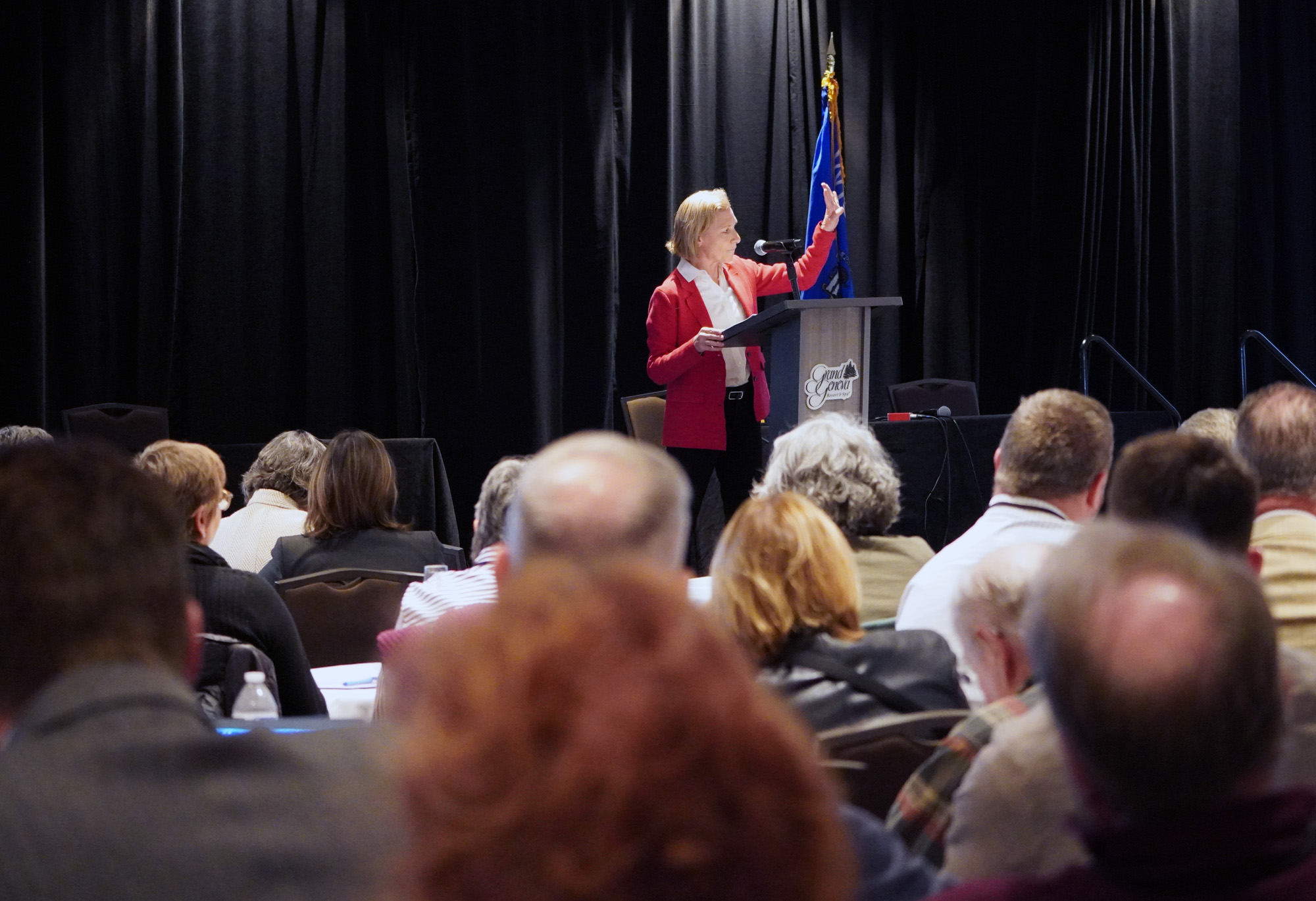
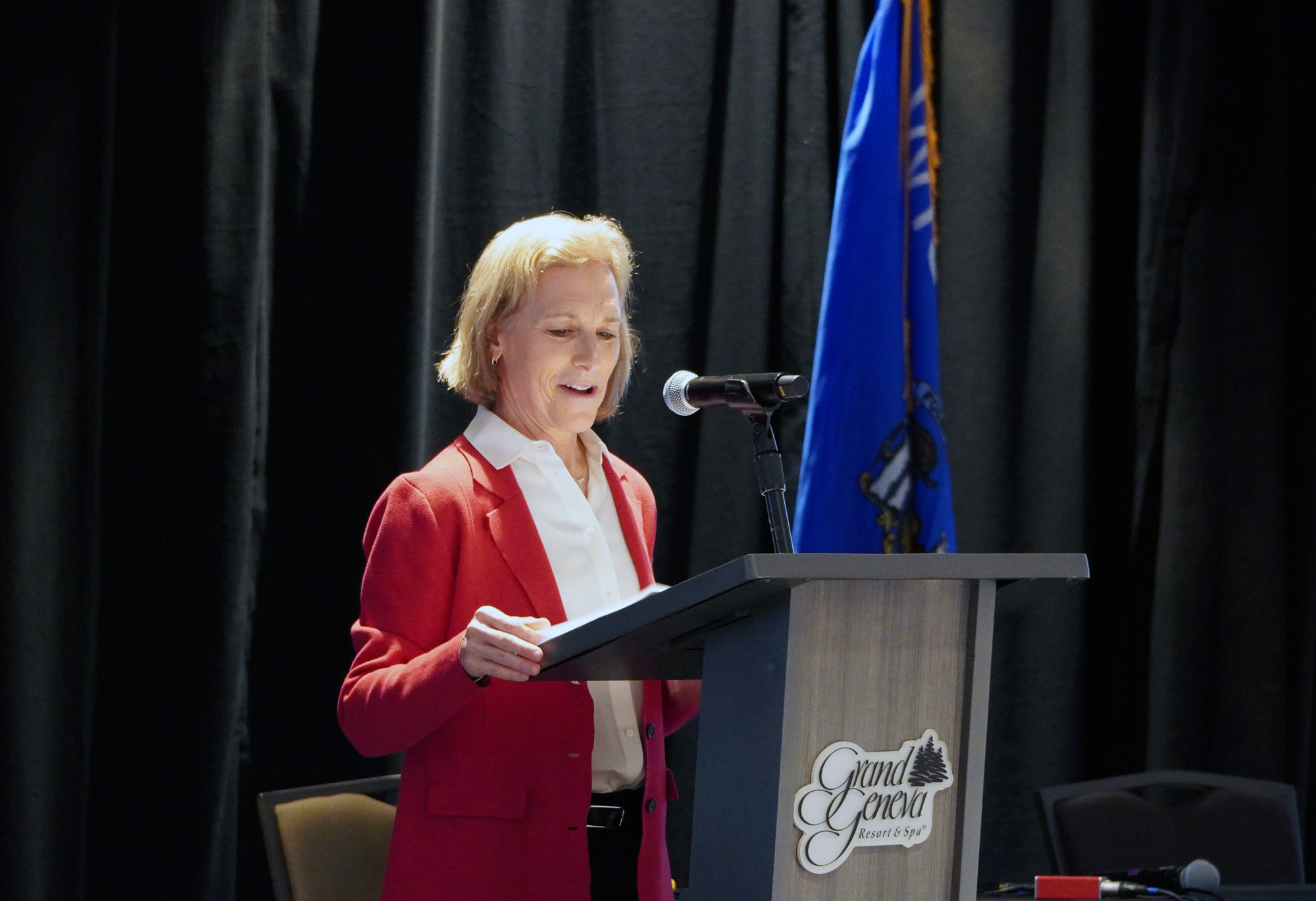
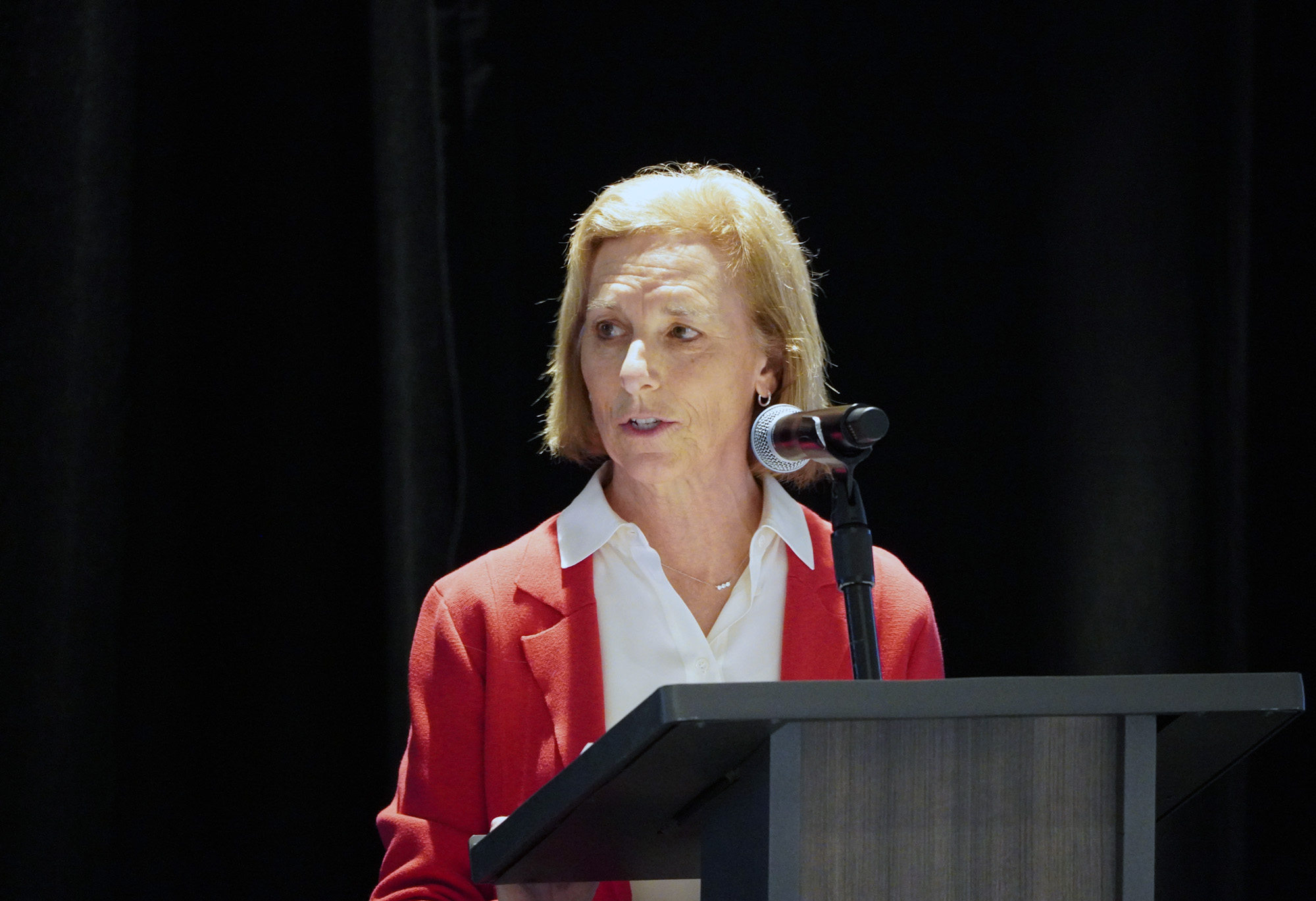
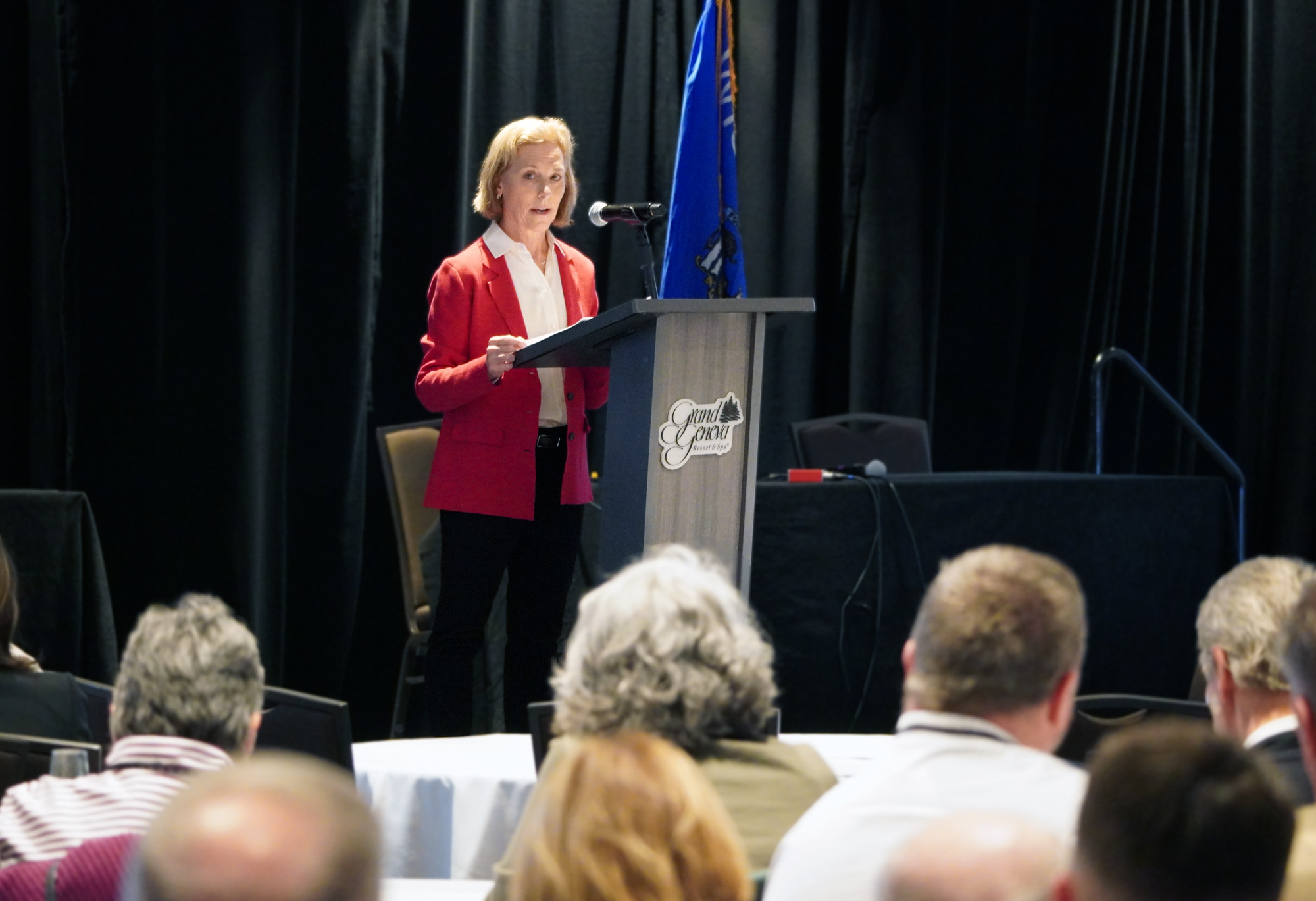
Chief Justice Jill J. Karofsky delivered her 2025 State of the Judiciary address on November 12 at the Wisconsin Judicial Conference, reflecting on the role of the courts and the values that guide Wisconsin’s judiciary. She emphasized the dedication of judges and staff statewide, the collaborative culture within the courts, and the work underway to strengthen access, security, and public trust.
Chief Justice Karofsky began by honoring judges who passed away during the last year and welcoming new members to the bench. She also recognized her colleagues on the Wisconsin Supreme Court and thanked former Chief Justice Annette Kingsland Ziegler for her support during the leadership transition. She noted that judges across Wisconsin continue to serve their communities with commitment and resilience, often under demanding circumstances.
As she reflected on the responsibilities of the judiciary, Chief Justice Karofsky highlighted courthouse and judicial security as one of the most pressing issues facing courts today. She addressed the rise in threats directed at judges and court staff and emphasized the need for continued statewide support. She described the work of the Capitol Police Court Protection Unit and the partnerships with local law enforcement that help ensure safety in courthouses and public buildings across Wisconsin.
“Every judge and every court employee deserves to feel safe at work,” she said. “We are committed to building and maintaining the structures that ensure that safety.”
Throughout her remarks, Chief Justice Karofsky returned to a central theme: the responsibility courts have to the people who rely on them every day. “Our courtrooms are places where real people come on some of the hardest days of their lives,” she said. “When they walk through the courthouse doors, they deserve a place that is safe, accessible, and fair.”
Chief Justice Karofsky noted that protecting the integrity of the courts requires both secure facilities and a strong, coordinated response when safety concerns arise. She underscored that ongoing communication with the Governor’s office and legislative leaders remains essential to maintaining statewide positions dedicated to judicial security.
Chief Justice Karofsky highlighted several statewide initiatives that reflect this shared commitment. Interpreter and court reporter work groups continue to explore ways to expand the roster of qualified professionals. Efforts are also underway to connect new attorneys with rural communities that face persistent shortages. In addition, ongoing technological advances are expanding access for people who might otherwise face barriers to participation, helping ensure the court system remains open and responsive to the needs of the public.
She also underscored the daily work judges do to build trust in the courts. Taking time to explain a ruling, clarifying next steps in a case, and treating people with dignity all contribute to the public’s confidence.
“When we take the time to explain a ruling, when we make sure someone understands the next step in their case, and when we treat people with dignity even in difficult circumstances, we show that the courts belong to them,” Chief Justice Karofsky said.
The Chief Justice closed her address by thanking judges for their service and reaffirming the mission of Wisconsin’s courts.
“The courts of Wisconsin belong to the people of Wisconsin,” she said. “Our responsibility is to keep them safe, open, accessible, and worthy of trust. That is our mission. That is our promise. And together, we will keep it.”
Third Branch eNews is an online monthly newsletter of the Director of State Courts Office. If you are interested in contributing an article about your department’s programs or accomplishments, contact your department head. Information about judicial retirements and judicial obituaries may be submitted to: Sara.Foster@wicourts.gov