

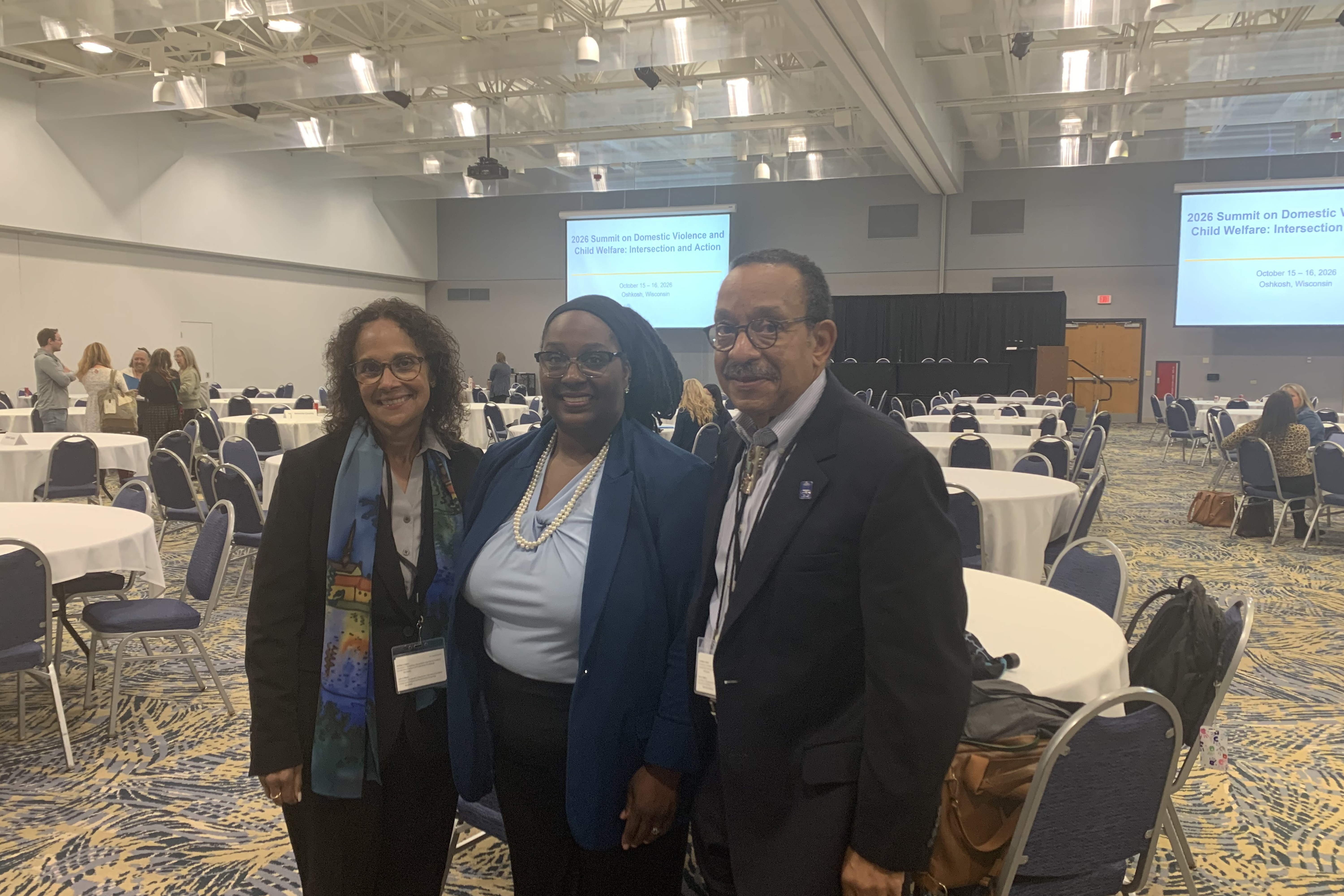
Families experiencing domestic violence may turn to courts, child welfare agencies, their tribe, advocates, and law enforcement for help. Improving how those systems work together was the focus of the second biennial Summit on Domestic Violence and Child Welfare, held October 15–16 in Oshkosh.
Organized by the Children’s Court Improvement Program and the Office of Court Operations, the summit combined training with time for local teams to examine challenges in their communities and identify ways to better serve children and families.
The need for coordination emerged before the event began. During registration, participants were asked how local resources could better address domestic violence in child welfare cases. Their responses called for stronger relationships across agencies, better access to safe housing, and closer coordination with tribal nations and law enforcement. Participants also described the difficulty families face when seeking help from several systems at once.
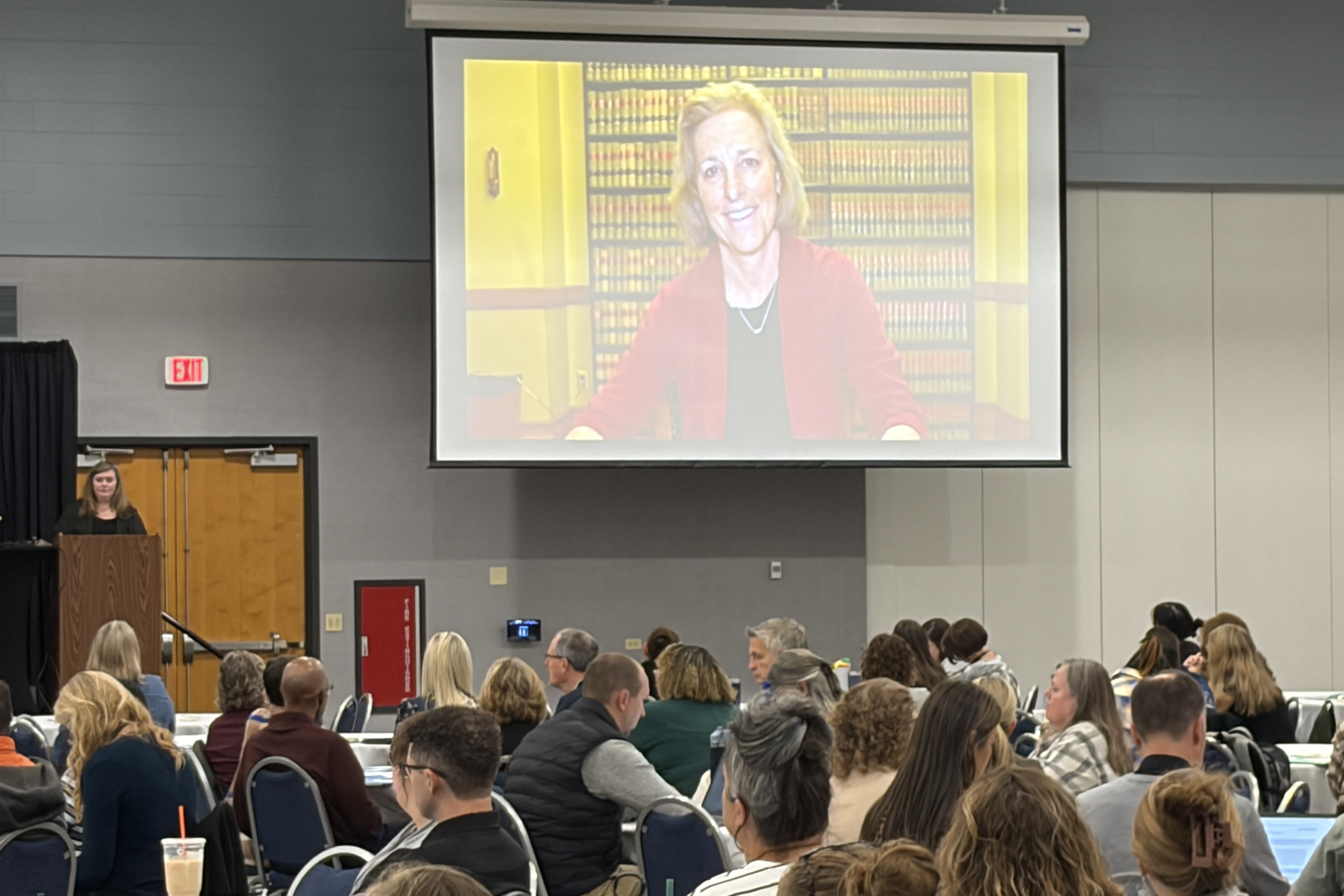
In recorded opening remarks, Chief Justice Jill Karofsky encouraged participants to listen to survivors and remain willing to reconsider their own practices.
“There is always more to learn. That includes those of us on the bench. We all have to be willing to hear when something we’re doing isn’t helping,” Chief Justice Karofsky said.
She urged participants to talk with colleagues whose work they might only know through a report, phone call, or court appearance, and to continue those new relationships after returning home.
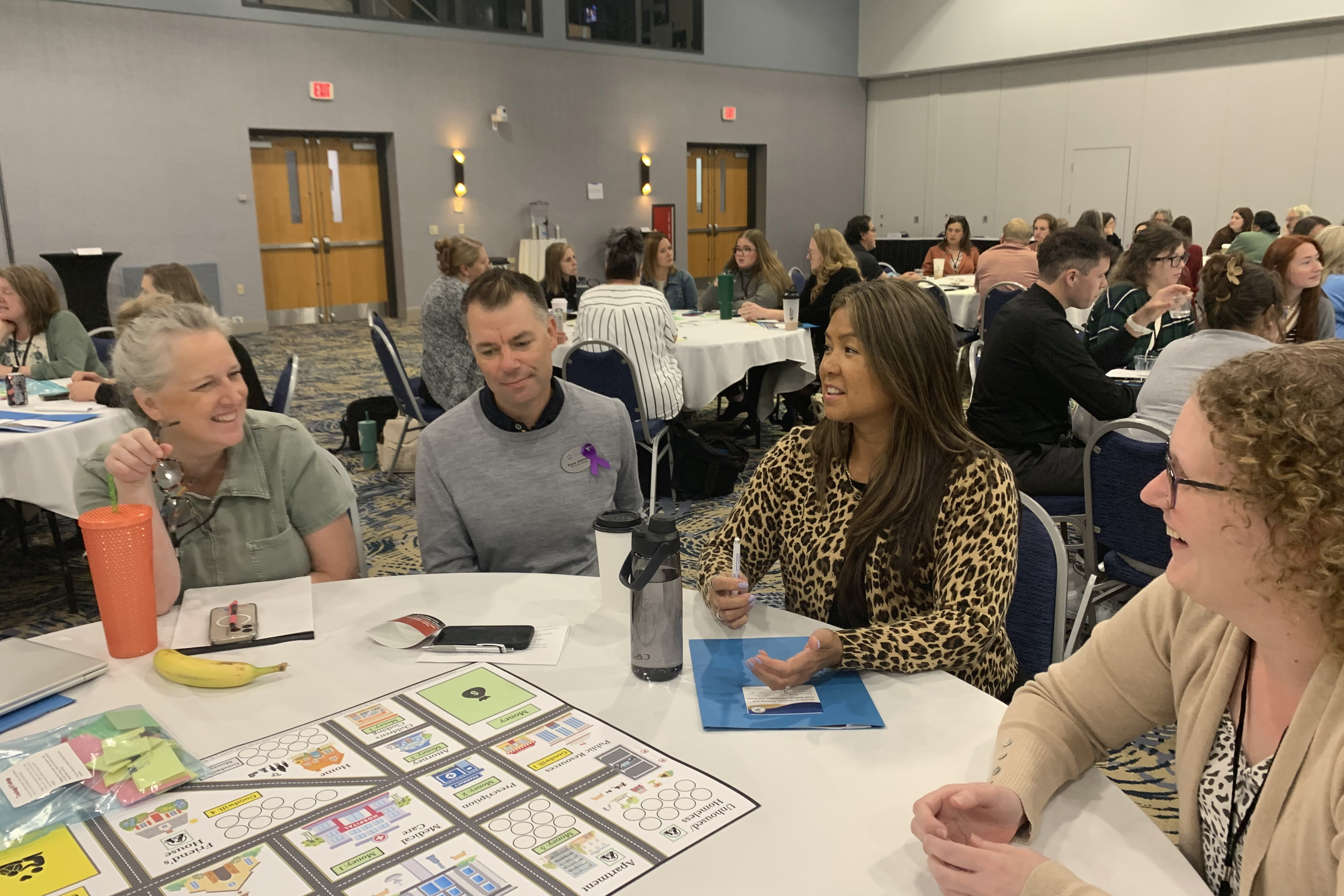
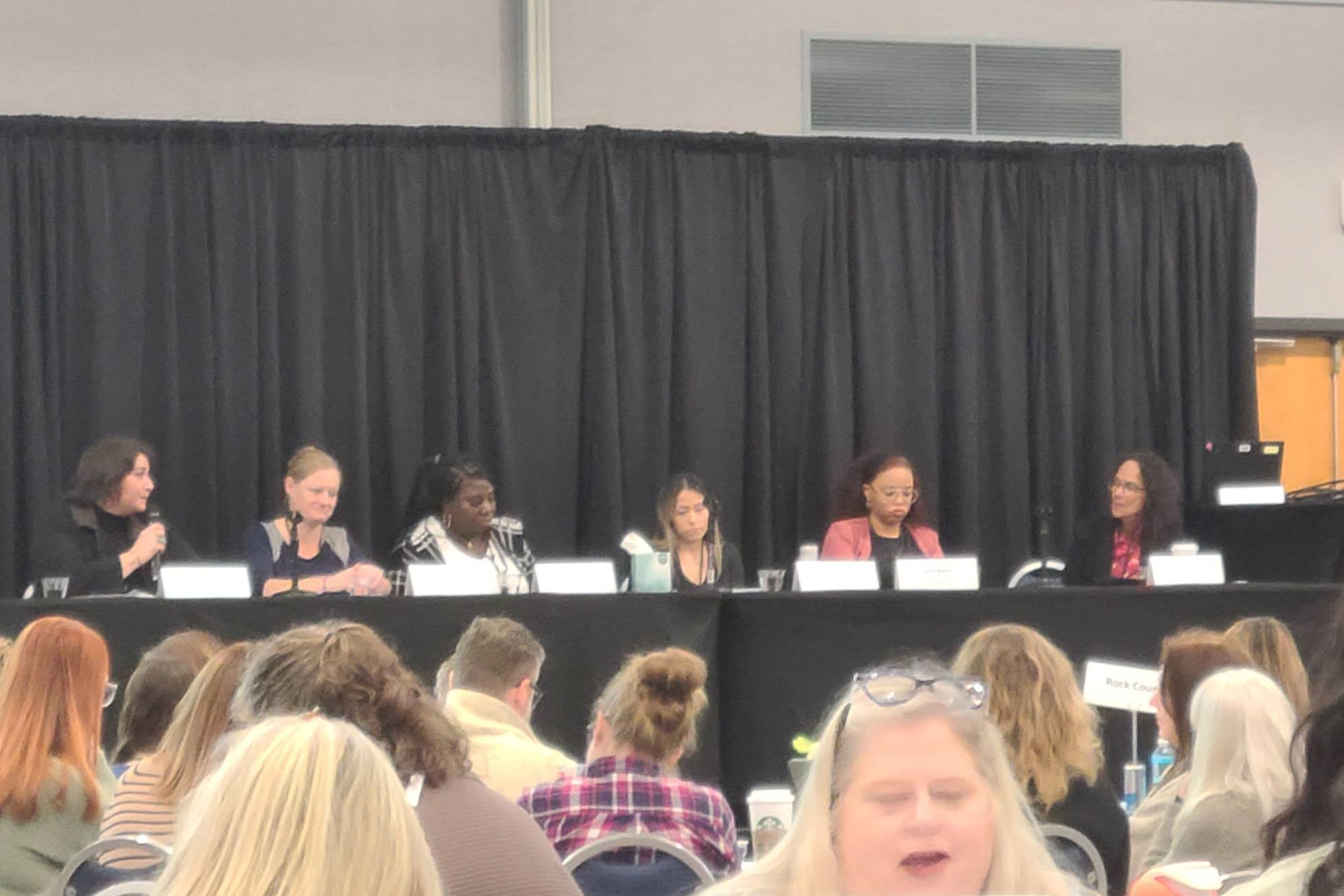
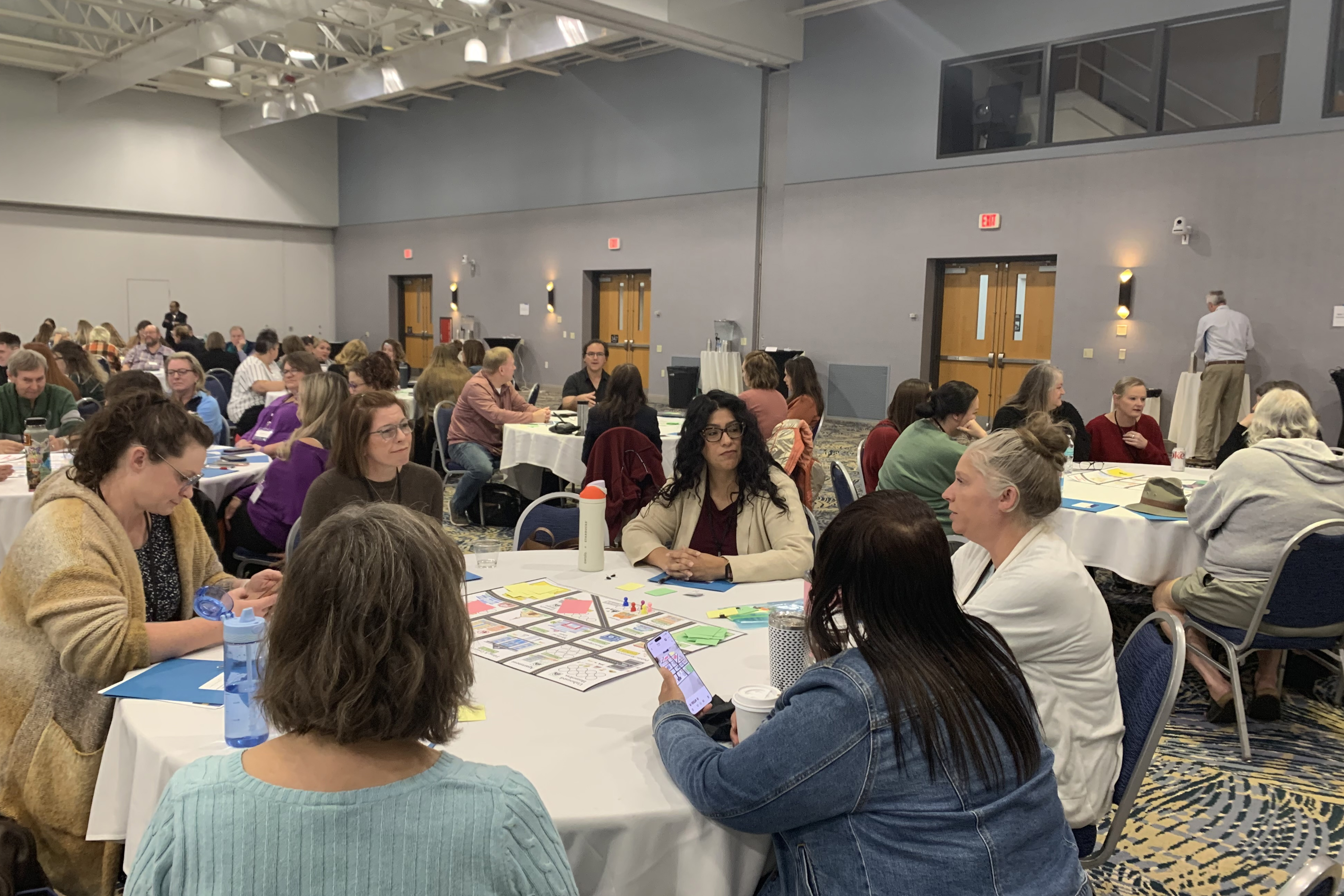
The summit provided opportunities to begin that collaboration, including setting aside dedicated time for counties and tribal nations to discuss local needs, followed the next day by a shared case scenario. The “Experts with Lived Experience” session featured a panel of individuals affected by domestic violence and the child welfare system. In anonymous feedback, attendees praised the panelists’ openness and their emphasis on connection and respectful treatment of families.
Participants also highlighted the opportunity to learn from other counties and professions. Several comments described the value of team discussions in identifying changes they could pursue at home.
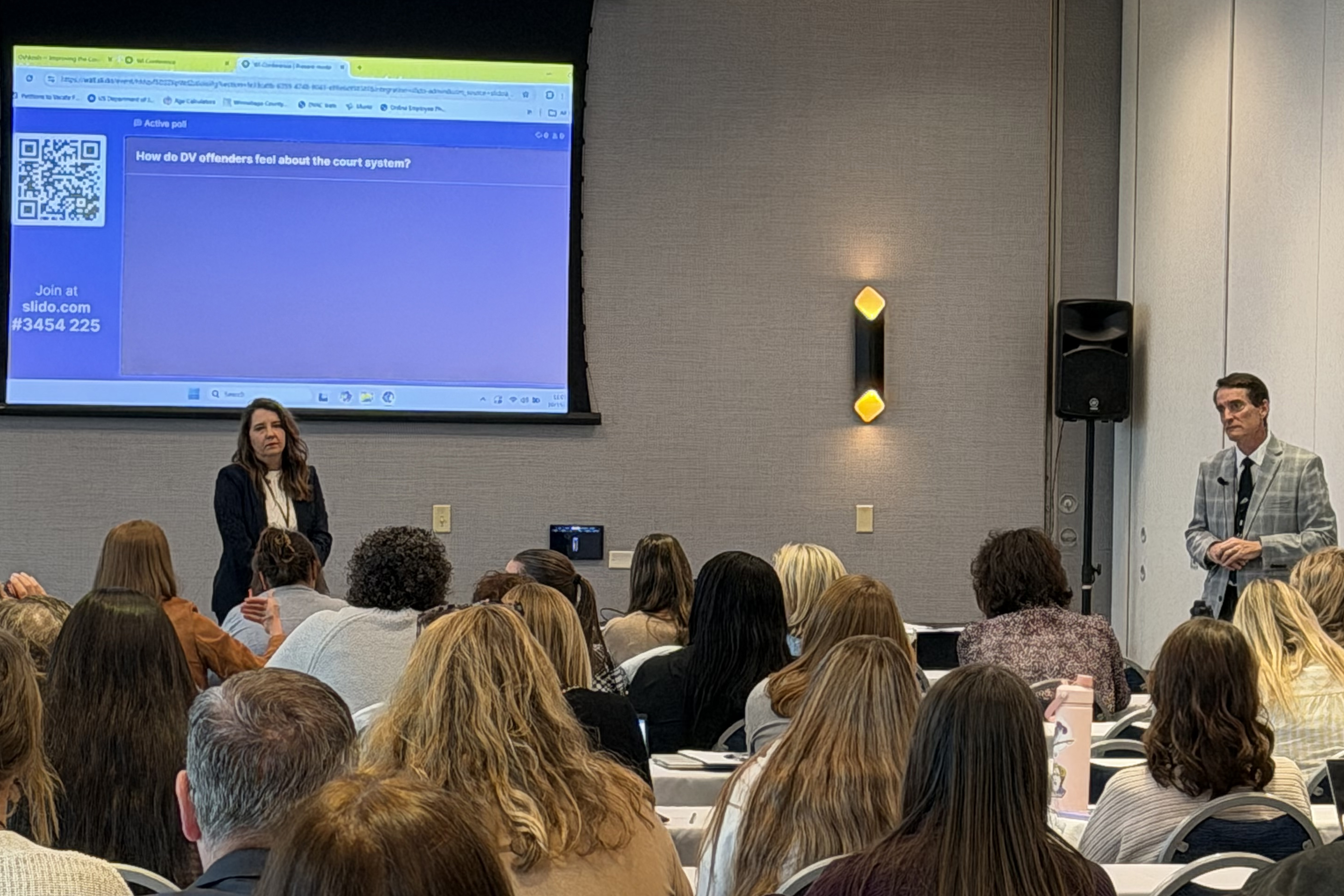
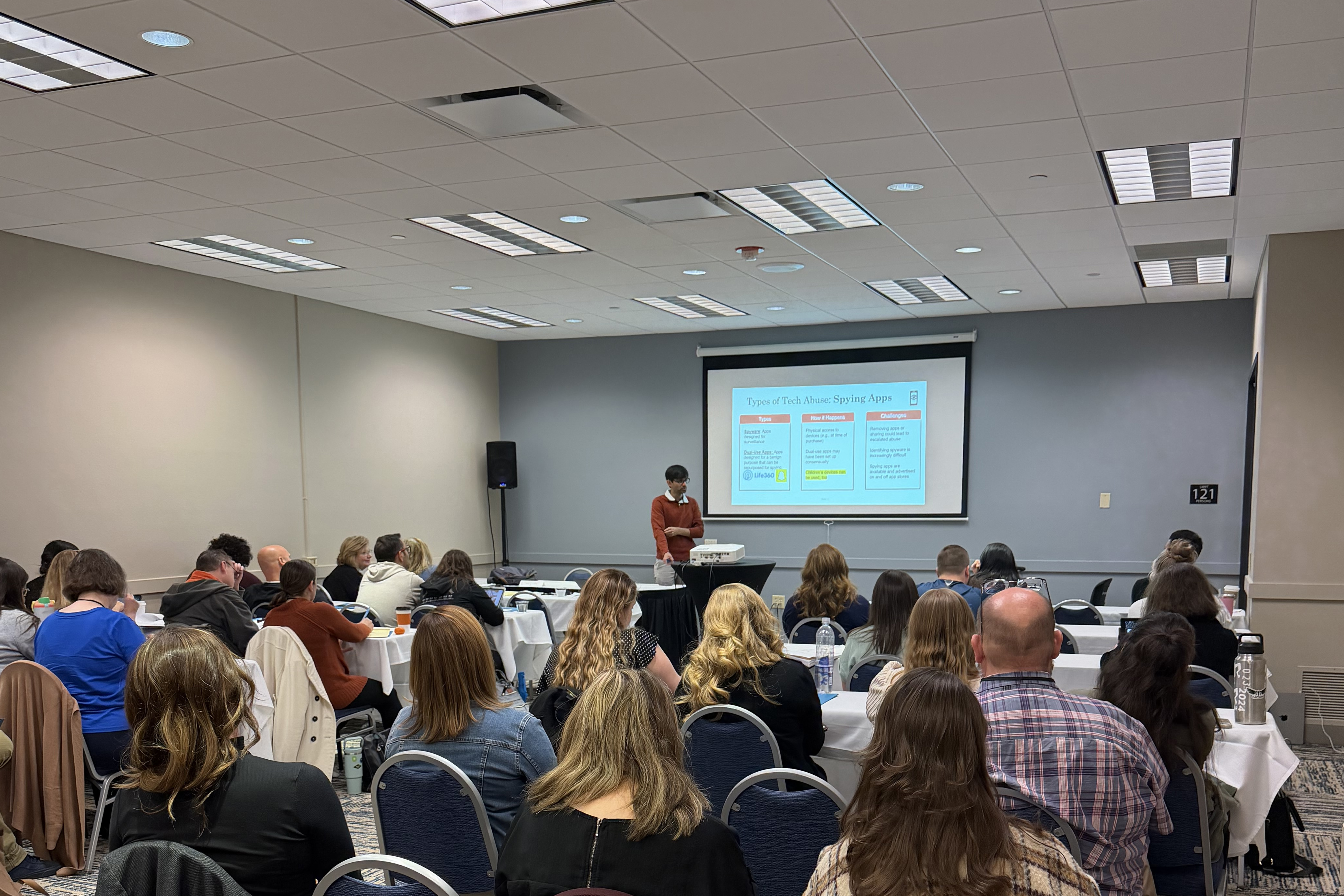
Workshops examined concrete issues that affect a family’s safety during periods of violence in the home and impact their ability to access help, including housing for survivors and the use of technology to carry out abuse. Brown County Circuit Court Judge Thomas Walsh and Nicole Ticknor, Deputy Court Administrator for Illinois’ 17th Judicial Circuit Court, presented approaches to domestic violence dockets in their respective jurisdictions. The Wisconsin Department of Justice presenters shared lessons from research on pediatric strangulation.
Those sessions gave participants different practices and research findings to consider alongside their local team discussions. The goal was to leave Oshkosh with ideas they could put into practice and relationships that would help them do so.
Third Branch eNews is an online monthly newsletter of the Director of State Courts Office. If you are interested in contributing an article about your department’s programs or accomplishments, contact your department head. Information about judicial retirements and judicial obituaries may be submitted to: Sara.Foster@wicourts.gov